Joint Pain After Hysterectomy: Why It Happens and What May Help
If you’re dealing with joint pain after hysterectomy, you’re not imagining it, and you’re definitely not alone.
Many women expect to deal with surgical recovery, fatigue, or emotional ups and downs after a hysterectomy. What often catches them off guard is the aching, stiffness, or soreness that seems to show up in their knees, hips, hands, shoulders, or lower back weeks or even months later. For some, symptoms are mild and annoying. For others, it can affect sleep, movement, and daily life.
This blog is reader-supported. When you buy through a link on our site, we earn a commission at no extra cost to you. Read more
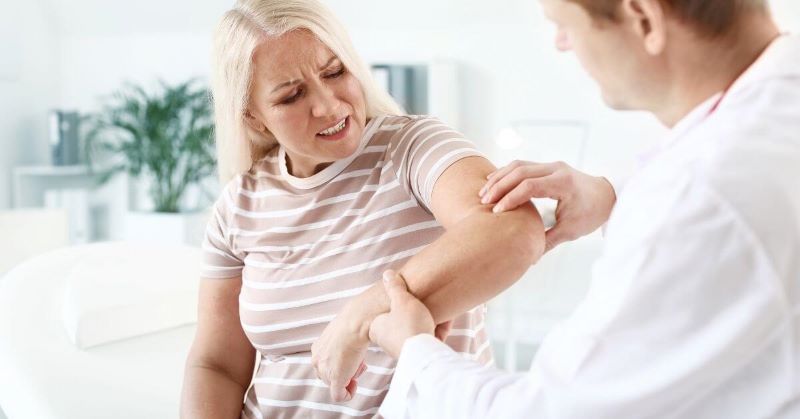
One reason this can feel so confusing is that joint discomfort is not always talked about enough in post-hysterectomy recovery. But hormonal changes, especially when the ovaries are removed or ovarian function changes after surgery, can affect inflammation, muscle recovery, and how your joints feel overall.
If you’ve been wondering why your body suddenly feels older, stiffer, or more inflamed than before, this guide will help you understand what may be going on and what gentle steps may help.
Why can joint pain happen after a hysterectomy?
There isn’t just one explanation for joint pain after hysterectomy. In many cases, it’s a combination of factors.
First, your body is recovering from major surgery. That alone can increase inflammation, reduce activity for a while, and leave muscles feeling weaker and tighter. When the muscles around your joints become less supportive, the joints themselves can feel more strained.
Second, hormones may play a major role. Estrogen supports many systems in the body, including bones, muscles, connective tissue, and the regulation of inflammation. When estrogen drops suddenly, especially after ovary removal, some women notice a dramatic increase in stiffness and aches. This is one reason so many women experience more discomfort during surgical menopause symptoms. You can also read more about that in my post on surgical menopause symptoms.
Third, recovery often changes your routine. You may be walking less, sleeping poorly, feeling stressed, or spending more time sitting. All of that can make joints feel tighter and more painful.
Estrogen and joints: what’s the connection?
One of the biggest missing pieces for many women is understanding the link between estrogen and joint lubrication after surgery.
Estrogen helps regulate inflammation and supports the tissues around your joints. When estrogen levels fall, joints may feel drier, stiffer, and more sensitive. Some women describe it as a feeling of rustiness when they first get out of bed or after sitting still for too long.
This is why morning stiffness after a hysterectomy is such a common complaint. You may wake up with sore knees, aching fingers, or hips that feel tight until you’ve moved around for a while. That stiffness does not always indicate something is seriously wrong, but it is worth paying attention to if the pain continues or worsens.
It also helps explain the difference between hysterectomy vs menopause joint pain. A natural menopause transition often happens gradually. After a hysterectomy, especially when the ovaries are removed, hormonal changes can feel more abrupt. That sudden shift may make joint symptoms feel more intense and harder to ignore.
Joint pain months after hysterectomy: Is that normal?
Yes, joint pain months after hysterectomy can happen, especially if hormone changes, poor sleep, stress, low activity, or nutritional depletion are part of the picture.
Sometimes women expect everything to improve once the surgical wounds heal, so it can feel unsettling when body aches show up later instead of sooner. But recovery is not always linear. Hormonal effects can become more noticeable after the immediate recovery phase, once the body begins to adjust to its new baseline.
This is also why it’s important not to dismiss lingering pain. Persistent aches may be hormone-related but they can also overlap with arthritis, vitamin deficiencies, poor sleep, reduced muscle strength, or other inflammatory issues.
If your sleep has been disrupted, too, that can worsen the pain. Broken sleep lowers your pain threshold and makes the body feel more inflamed overall. My guide on sleep problems after hysterectomy may help if that’s part of what you’re experiencing.
Sudden knee pain after hysterectomy or hip pain after an ovary removal
Some women notice very specific pain patterns, like sudden knee pain after hysterectomy or hip pain after hysterectomy and oophorectomy.
Knee pain may show up because the surrounding muscles have weakened during recovery or because inflammation is affecting joints that were already vulnerable. If your activity changed substantially after surgery, even simple movement patterns like climbing stairs or standing up from a chair can feel harder on the knees.
Hip pain can also become more noticeable, especially if your posture changed after surgery, you moved less during healing, or your hormones dropped sharply after an oophorectomy. Tight hip flexors, glute weakness, and pelvic compensation can all contribute.
This is where gentle movement matters. Not intense workouts. Just consistent, supportive movement. Walking, stretching, light mobility work, and gradual strengthening can make a real difference over time. My post on exercise after hysterectomy is a good next read if you want to rebuild movement gently.
Natural relief for joint pain after hysterectomy
If you’re looking for natural relief for joint pain after hysterectomy, start with the basics before jumping into complicated solutions.
Here are a few gentle things that may help:
1. Keep moving consistently
Sitting for long periods can worsen stiffness. Short walks, mobility stretches, and light daily movement can help lubricate the joints and improve circulation.
Recommended exercises for menopause joint pain are:
- Taichi
- Strengthening exercises
- Low-impact exercises like walking, cycling, and swimming
2. Prioritize sleep
Pain and poor sleep often feed each other. Better rest can lower inflammation and improve your pain tolerance.
3. Support your muscles
Weak muscles place more stress on joints. Light strength work, once you are medically cleared, can help support your knees, hips, and back.
4. Eat in a more anti-inflammatory way
Many women will feel better when they focus on whole foods, healthy fats, protein, leafy greens, berries, nuts, seeds, and omega-3-rich foods.
5. Use heat, stretching, and recovery tools
A warm shower in the morning, a heating pad, gentle stretching, or foam rolling may help with stiffness and tension.
Great for stress and pain relief are:
- Yoga
- Meditation
- Massage
- Acupressure
6. Reduce overload
Stress raises inflammation too. If your body has been in survival mode since surgery, nervous system support matters. Rest, quiet routines, journaling, and simple daily rhythms can help more than we realize.
And if the brain fog is making everything feel harder, you may also relate to my post on menopausal brain fog. When you feel mentally drained, pain often feels heavier too.
Best supplements for joint pain after surgical menopause
Many women also ask about the best supplements for joint pain after surgical menopause.
There is no single magic pill, and supplements are not a replacement for medical care, but some women discuss options like omega-3s, vitamin D, magnesium, collagen, turmeric, or glucosamine with their healthcare provider.

- You will receive (1) bottle of Multi Collagen Protein Capsules Joint + Mobility, 45 Count
- BURSTING WITH BENEFITS – Support the overall structural support of your body with Multi Collagen Joint + Mobility capsul…
- EASY TO USE AND PACKED WITH NUTRIENTS- Enjoy these capsules anytime, anywhere as part of your busy routine. Help rejuven…
The most important thing is not to guess blindly. It’s worth asking whether your symptoms could be linked to low vitamin D, low magnesium, poor bone support, or hormone changes. This is especially important after ovary removal or if you are concerned about long-term bone health. This post on how to prevent osteoporosis after hysterectomy may be helpful too.
Does HRT help with joint pain after hysterectomy?
A very common question is: Does HRT help with joint pain after hysterectomy?
For some women, it may. If joint pain is strongly connected to a drop in estrogen, hormone replacement therapy may improve stiffness, aches, and overall comfort. Some women notice their joints feel less inflamed and more mobile once hormones are better supported.
But it is not the right option for everyone, and it depends on your medical history, symptoms, age, type of hysterectomy, and whether your ovaries were removed. This is a conversation to have with your doctor, especially if joint pain appeared alongside hot flashes, sleep disruption, mood changes, vaginal dryness, or sudden menopausal symptoms.
If your joint pain began alongside other menopause symptoms, it may help to read the NHS overview of menopause treatment and HRT.
Can a hysterectomy trigger a fibromyalgia flare?
For some women, surgery can place a lot of stress on the body. If you already live with chronic pain, nervous system sensitivity, or autoimmune-type symptoms, it is possible to experience a fibromyalgia flare-up after hysterectomy.
That does not mean hysterectomy causes fibromyalgia, but surgery, sleep loss, hormonal shifts, and physical stress can all make symptoms more noticeable. If your pain feels widespread, burning, exhausting, or out of proportion to normal recovery, it may be worth discussing with a healthcare professional.
When to seek medical advice
Although joint pain can be linked to recovery and hormone changes, it should not automatically be brushed aside.
Please get medical advice if:
- The pain is severe or is suddenly getting worse
- One joint is swollen, hot, or red
- You cannot bear weight properly
- You have a fever or signs of infection
- The pain keeps waking you at night
- The pain is persistent and affecting your daily life
Final thoughts on joint pain after hysterectomy
Joint pain after hysterectomy can feel frustrating, unexpected, and isolating. But there is often a reason behind it, and there are supportive steps you can take.
For some women, the biggest factor is post-surgical inflammation. For others, it is the sudden hormonal drop that affects joints, muscles, and connective tissue. And, for many, it is a mix of hormones, stress, poor sleep, reduced movement, and the body trying to find its balance again.
Be gentle with yourself. Recovery is not just about incision healing. It is also about how your whole body adapts afterward.
If your symptoms came on with other changes like sleep problems, emotional ups and downs, brain fog, or menopause symptoms, you may find these helpful next:
- Surgical menopause symptoms
- Sleep problems after hysterectomy
- Menopausal brain fog
- Emotions after hysterectomy
- Exercise after hysterectomy
- How to prevent osteoporosis after hysterectomy
Your body is not broken. It may just need support, time, and a better understanding of what changed.

- Nighttime Magnesium Lotion for Legs & Feet — A soothing, fast-absorbing magnesium cream designed for your bedtime routin…
- Bedtime Wind-Down Ritual — Apply this nighttime magnesium lotion before bed to create a calming routine. Ideal for legs …
- After Activity or Long Days — Perfect after workouts, standing, or walking all day. This magnesium cream absorbs quickly…


After a bilateral salpingectomy-oophorectomy in 2022, the surgery went well, I healed properly, and recovered fully. However, I had chronic pain in both hips immediately following the procedure. The pain was not internal, bone pain. It was external ligament and tendon pain underneath the skin around the front hip bone. I lived with it for two years. I tried everything, and got no relief. Then my doctor prescribed a package of prednisone for a completely unrelated issue. I got the package of medicine in the late afternoon. The instructions tell you to take 5 pills on the first day. I took all 5 pills at once. Then followed the instructions to take them periodically over the next few days. I started feeling better within a day or two. I haven’t had any pain in my hips since then. That was the one and only time I ever took prednisone. I hope this may help if you are having the same issue.
You have my deepest sympathy and a BIG hug, I, too am embroiled on the same path.
Jill
Hi all, omg I honestly thought I was going mad until I found this!
I had a full hysterectomy in 2019, since then I have been back and forth to the doctor’s with pain in my back, hips, knees and more recently feet.
The doctor’s fob me off as if I’m some kind of idiot.I have paid thousands in different treatments and even had 6 spinal injections, but the pain came back, and I’m out of cash.
I have put on weight which I know doesn’t help, so I joined a gym last September, but it gets harder and harder to fight through the pain, so then I reached out to weight management, however they refused me saying my BMI was not enough to get me on the program.
The pain got so bad last month, I tried to take my own life, I ended up in hospital, with a Dr more or less telling me how stupid I was.
I was then given morphine patches, which unfortunately like everything else has not worked.
I’m 53 somehow managing to hold down a job and trying desperately to live through each day, but it gets so bad.
I really don’t know what to do!
Hi Nicola, I know exactly what you are going through. The pains can be terrible. Have you tried Hormone Replacement Therapy? The inflammation of the joint is due to the lack of estrogen in your body after the hysterectomy. Estrogen protects joints and reduces inflammation, but when estrogen levels drop, inflammation can increase, the risk of osteoporosis and osteoarthritis can go up and make it painful to move freely. Some women find that yoga helps relieve joint and muscle pain. Personally I found lots of relief from nonsteroidal anti-inflammatory drugs (NSAIDs). You can ask your doctor for that. Including specific foods to your diet can strengthen the bones, muscles, and joints and help the body to fight inflammation. Try adding the following foods to your diet: Fatty fish, nuts, dark leafy greens, garlic, dairy products (rich in Calcium and vit D). Don’t give up hope. Menopausal arthritis is a temporary thing. Try these suggestions to find relief until you get out of this menopausal phase.
I feel your pain. I had a complete hysterectomy and suffered horribly with joint pain that no one told me would happen. Then when I looked for reasons, no one could help me. I then was told to lose weight and exercise. I couldn’t even more let alone exercise, and though I have about 15 pounds to lose, I am not obese that my joints should hurt this bad. This was the first site I saw that gave me an explanation and now I have modified my diet and see a drastic improvement.
This site has been beyond helpful to me. I am just suffering every day. I can barely make sense of my daily feelings anymore. However I am not bleeding to death monthly. This site has truly eased my mind. Women need to support and help each other. The world is crazy but we can make it together!!!!! Thank you. Good luck girls. Stay positive.
Hi everyone my name is Nicolene on the 13th of September this year I have a flippen tube ovary and uterus removal. I’m only 31 years of age, I am on week 5 today after my OP and still struggling for the wound to heal up properly. I have discovered for the last couple of days that I’ve been suffering from lower leg pain and many other different pains of my bones I don’t know how to treat or handle this pain because it ain’t a joke. It’s really really painful and some stages it’s so bad that I cry. If anybody can please give me some advice on what and what not to do. Sorry for the long message but this is what I’m experiencing thanks
I had a complete hysterectomy in April and still have my pain I work wit a nutritionist, acupuncturist and now an herbalist. I honestly think so far my best results are from the herbs. I’m also beginning to think dehydration is also a factor as I feel worse days I don’t get proper water intake. Do all you can to support your adrenals as they are the system that picks up the workload when the ovaries are gone. But if your wounds also have not healed that would be a concern and I’d be asking them. Do you by chance have any auto immune diseases? That can sometimes play a role in slow wound healing. Best of luck to you. But you aren’t alone in your pain.
Nicolene, I had a complete hysterectomy with tubes, ovaries, uterus and cervix. I had horrible fibroids and my periods, though I am 52, were still horrible to the point that I couldn’t go anywhere or work. I had severe pain in my joints and couldn’t get out of bed some days after my hysterectomy. I started an anti-inflammatory diet and read up on herbs and found products that are organic and are helping with my joint pain. I can say that as of today, I have not had any joint pains within the past month. There is hope and I wish you luck.
Hi, I’m Nathira Banu, aged 48, undergone hysterectomy in May 2017, now suffering from a severe joints pain, couldn’t tolerate, unable to walk even, my legs gets swollen, I need a medical advice please.
I underwent a complete hysterectomy in April 2018. I have terrible muscle and joint pain. My removal was due to cancer so HRT is not an option for me. I have been working w a nutritionist and taking natural supplements to help my adrenals get stronger. My oncologist also recommended acupuncture which I am three sessions in, can’t see a marked difference yet. I am going to an herbalist this week to add to my treatment plan and hopefully get some results. I am also 48 and this makes life miserable. But hearing others are struggling at least makes me feel less crazy talking about my pain. Best of luck to you.
hi all, I had my uterus and fallopian tubes taken out June 2016 and am totally fucked up with joint pain and stiffness. my doctors suggested I manage the pain as nothing can be done to ease the pains except I go on hormone therapy and am skeptical about the therapy because of the side effects. am only 31 years, any advice?
Please find a good hormone doctor and get on replacement bioidentical hormones. Go to the local compounding pharmacy and ask the pharmacist, “which doctor really knows hormones in town?” Then go to that doctor. You will not regret it.
Oh thank you so much Terri.
I’m Kathryn I had a hysterectomy in September. I still have my overies and know I have constant pain all over in my joints, muscles, bad headaches just lost of pain all over I’m totally miserable. Even my jaws and teeth hurt. I wish you all the best.
Well I don’t know what to tell you , but you may have fucked up with the Sex change, I had just my uterus removed and my body be sore. Not trying to be funny but if I had a choice I would have kept it , How do you feel ? Sore all over and stiff up st night?
Hi my name is Wendy I had a total hysterectomy July 28th last year so a year on and I’m just noticing that I’m stiff around the hips legs ach I feel odd but I still do my gardens walk, swim some days after I have done too much the next day I know it is this normal many thanks Wendy.
I hear you. I am in the same position. I have transitioned and also would like to be fit. I am trying bodyweight exercises that are not hard on the elbows (you can still do abdominal exercises) and swimming /riding a bike.
I am having a hard time with pull-ups/chin-ups/and push-ups because of joint pain.
For now, I just started taking black cohosh along with my testosterone to ease my body with the transition of having no estrogen. I am also taking BCQ by Vital Nutrients. Powerful joint anti-inflammatories.
I hope this helps.
What kind of testosterone do you take?