Side Effects of No Estrogen After Hysterectomy: What Women May Experience and Why It Matters
A hysterectomy can bring long-awaited relief from heavy bleeding, fibroids, endometriosis, chronic pain, or other serious health problems. But for some women, recovery also brings unexpected changes that are harder to talk about. Side effects of no estrogen after hysterectomy can be physical, emotional, and deeply disruptive to daily life.

If your estrogen levels drop after surgery, you may notice symptoms that affect your body, emotions, sleep, sex life, and overall well-being.
These changes can feel confusing, frustrating, and even isolating. Many women are told what to expect from the surgery itself, but not always what hormonal changes they may feel afterward.
If you are dealing with these symptoms, you are not imagining them, and you are not alone.
Can estrogen levels drop after a hysterectomy?
Yes, they can. But it depends on the type of surgery you had.
A hysterectomy removes the uterus. It does not always remove the ovaries, which are the main source of estrogen before menopause.
Here is the difference:
- If your ovaries were removed, estrogen levels can drop suddenly.
- If your ovaries were left in place, they may still produce estrogen, but in some cases, they may produce less after surgery.
- If both ovaries were removed, you may go into surgical menopause, which often causes symptoms to appear more suddenly and intensely than natural menopause.
That is why some women feel very different after hysterectomy, while others do not.
Common side effects of no estrogen after hysterectomy
When estrogen drops, the effects can show up in ways that are physical, emotional, and deeply personal.
1. Hot flashes and night sweats
One of the most common symptoms of low estrogen is a sudden feeling of warmth in the face, neck, or chest. For some women, it feels like a wave of heat that comes out of nowhere. At night, it may show up as sweating that disrupts sleep.
This can leave you feeling drained, irritable, and exhausted during the day.
2. Vaginal dryness and discomfort
Estrogen helps keep vaginal tissue healthy, moist, and flexible. Without enough of it, the vaginal area can become dry, irritated, or more fragile.
This may lead to:
- vaginal dryness
- burning or itching
- discomfort during daily activities
- pain during intercourse
For many women, this symptom affects not only physical comfort but also confidence and intimacy.
3. Lower sex drive
A drop in estrogen can affect sexual desire, but it is rarely just about hormones alone. Fatigue, emotional stress, body changes, and pain during sex can all play a role.
This can be especially difficult if you already feel like your body has been through a lot. A change in libido after surgery is more common than many women realize.
4. Mood swings, anxiety, or feeling low
Hormonal changes can have a real effect on emotional health. Some women feel more tearful, anxious, overwhelmed, or unlike themselves after surgery.
You may notice:
- irritability
- sadness
- anxiety
- mood swings
- feeling emotionally sensitive
These feelings are real. They are not weaknesses, and they are not something you should have to dismiss or hide.
5. Trouble sleeping
Low estrogen can make it harder to fall asleep or stay asleep, especially when night sweats are involved. Poor sleep can quickly affect everything else, including mood, memory, patience, and the ability to cope with everyday life.
If sleep has become harder since surgery, my Rest & Restore Sleep Workbook offers gentle guidance and practical tools to help you rest, recover, and feel more supported.
6. Brain fog and poor concentration
Some women describe this as feeling mentally “off.” You may forget things more easily, lose your train of thought, or struggle to focus.
Brain fog can be especially upsetting if you are trying to recover, return to work, care for family, or simply feel like yourself again.

7. Joint pain and body aches
Low estrogen can also affect how your joints and muscles feel. Some women notice stiffness, soreness, or more general body discomfort.
Because recovery from surgery can already involve pain and fatigue, this symptom can be easy to overlook at first.
Long-term effects of no estrogen after hysterectomy
Some symptoms are obvious right away. Others build quietly over time.
Bone loss and osteoporosis
Understanding the side effects of low estrogen after hysterectomy is important because some effects can continue beyond the first stage of healing. In addition to daily discomfort, low estrogen may also affect bone strength. When estrogen levels stay low for a long time, bones can become thinner and weaker.
This increases the risk of:
- osteopenia
- osteoporosis
- fractures
This is especially important for women who experience surgical menopause at a younger age.
Changes in heart health
Estrogen also plays a role in cardiovascular health. Lower estrogen levels may affect cholesterol, blood vessel function, and long-term heart risk.
That does not mean heart disease is inevitable, but it does mean your long-term health deserves attention after surgery.
Urinary and bladder symptoms
Low estrogen can affect the bladder and urinary tract, too. Some women notice:
- a frequent need to urinate
- urgency
- discomfort that feels like a UTI
- repeated urinary tract infections
These symptoms can be frustrating and sometimes mistaken for other problems.
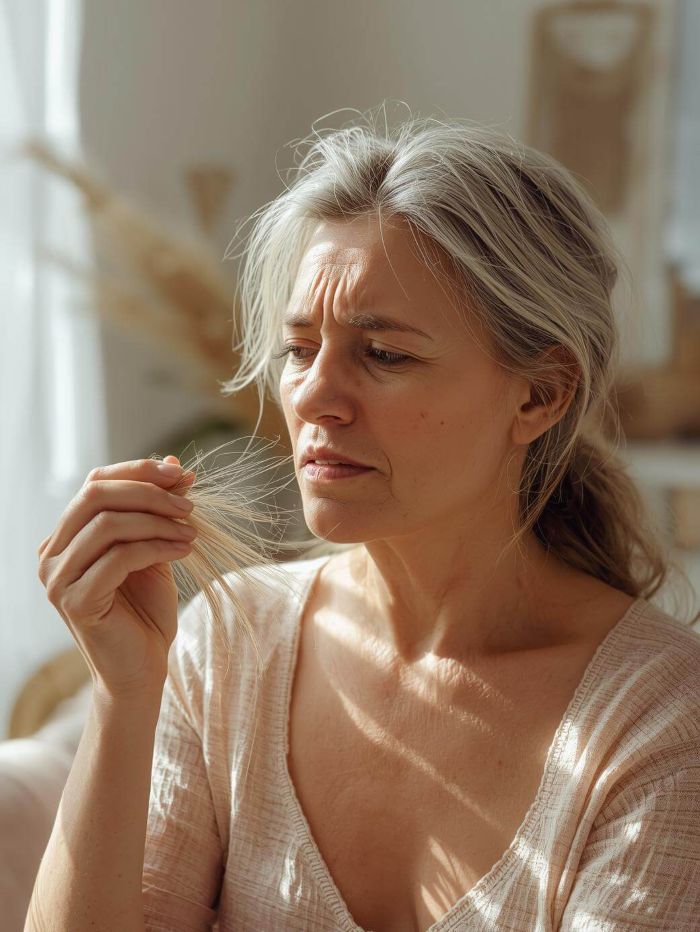
Skin and hair changes
Estrogen supports skin moisture and elasticity. Lower levels may contribute to:
- dry skin
- thinning hair
- brittle nails
These changes may seem small compared with other symptoms, but they can still affect how you feel in your body.
Why the side effects of no estrogen after hysterectomy can feel so intense
If your ovaries were removed during a hysterectomy, your body may go into menopause very quickly. This is called surgical menopause.
Unlike natural menopause, which usually happens gradually, surgical menopause can bring a sudden drop in hormones. That is why symptoms can feel stronger, more abrupt, and harder to adjust to.
Many women say they were not fully prepared for how fast everything changed. If that has been your experience, your reaction makes sense.
When to speak with your doctor
You should not have to push through severe symptoms on your own. Talk with your doctor if you are experiencing:
- hot flashes that affect daily life
- ongoing sleep problems
- vaginal dryness or painful sex
- worsening anxiety or low mood
- repeated urinary symptoms
- concerns about bone loss
- symptoms that make recovery feel harder, not better
Relief may be possible, and support is available.
Treatment options for low estrogen after hysterectomy
The right treatment depends on your age, symptoms, medical history, and whether your ovaries were removed.
Your doctor may discuss options such as:
Hormone therapy
Some women benefit from estrogen therapy to reduce symptoms and help protect bone health. This can be especially important after early surgical menopause. It is not right for everyone, so decisions should be based on your personal health history.
Vaginal estrogen
For women whose main symptoms are vaginal dryness, irritation, or pain with sex, local vaginal estrogen may help.
Non-hormonal treatment
Some women cannot or prefer not to use hormone therapy. There are non-hormonal options that may help with hot flashes, sleep problems, mood symptoms, and vaginal discomfort.
Lifestyle support
Daily habits can also make a difference, including:
- weight-bearing exercise
- enough calcium and vitamin D
- good sleep habits
- stress support
- limiting alcohol
- avoiding smoking
These steps may not solve everything, but they can support healing and long-term health.
You deserve support, not silence
Too many women are left wondering whether what they feel after a hysterectomy is normal. They may be told to focus on recovery while quietly struggling with symptoms that affect every part of life.
If you are dealing with low estrogen after a hysterectomy, it is okay to speak up. It is okay to ask questions. It is okay to say that something feels different.
Your symptoms matter. Your comfort matters. Your quality of life matters.
Final thoughts
The side effects of no estrogen after hysterectomy can affect much more than reproductive health. It can influence sleep, mood, intimacy, energy, memory, bone health, and emotional well-being. These changes can be difficult, but they are real, and they deserve care.
If you have noticed symptoms after a hysterectomy and suspect hormones may be involved, speak with a healthcare provider you trust. Understanding what is happening in your body is an important step toward feeling better.
FAQ: Low Estrogen After Hysterectomy
No. If the ovaries are left in place, they may continue making estrogen. But some women still notice a drop in hormone levels after surgery.
It may feel like hot flashes, night sweats, vaginal dryness, painful sex, poor sleep, anxiety, mood changes, brain fog, or fatigue.
In many cases, yes. Treatment may include hormone therapy, vaginal estrogen, non-hormonal medication, and lifestyle support, depending on your health needs.