Surgical Menopause Symptoms: Your Complete Guide to Triggers & Coping Strategies
If you’re navigating sudden changes in your body after a hysterectomy or ovary removal, you’re likely searching for answers — not medical jargon, but real, clear, human explanations that help you make sense of what you’re experiencing.
You’re in the right place.

Surgical menopause is not the same as natural menopause. The symptoms can feel far more intense, more sudden, and often more disruptive to daily life. Many women describe it as “falling off a hormonal cliff,” and that’s honestly not far from the truth.
This guide breaks down every major symptom, explains why it’s happening, and offers gentle coping strategies to help you feel more supported and more in control.
What Is Surgical Menopause? (And Why It Feels So Extreme)
Unlike natural menopause — which happens gradually over years — surgical menopause happens literally overnight.
This sudden hormonal shift is what causes more intense surgical menopause symptoms, such as:
- stronger hot flashes
- heavier brain fog
- quicker mood changes
- sharper sleep disruptions
- sudden body temperature swings
- faster skin & hair changes
All because estrogen levels drop instantly rather than slowly.
Why does it occur?
In a female body, the ovaries maintain normal levels of the hormone progesterone and estrogen. If both of your ovaries are left intact during the hysterectomy, there are two possible outcomes:
Your ovaries may function normally and continue to produce estrogen and progesterone until the usual age of menopause. So, you may experience pre-menopausal symptoms even if you are not menstruating. This happens due to the fluctuating female hormones.
In some cases, ovaries stop producing hormones sooner than they normally would. This condition is known as apparent early ovarian failure and usually happens one or two years after the surgery. This is the most common outcome when the patient undergoes early menopause. It is still unknown what triggers the ovaries to shut down after a hysterectomy.
When they remove the ovaries, fallopian tubes, and uterus, you enter the surgical menopause stage.
This is why so many women search for:
👉 “sudden menopause symptoms after hysterectomy”
👉 “surgical menopause symptom checklist.”
Your experience is valid — and common.
1. Hot Flashes & Night Sweats
Why it happens:
Estrogen plays a huge role in temperature regulation. When it disappears suddenly, your internal thermostat becomes unpredictable.
How it feels:
- sudden bursts of heat
- sweating at night
- waking up drenched
- chills after the heat passes
- feeling flushed or restless
Coping Strategies:
- Keep a cool glass of water by your bed
- Wear lightweight, breathable fabrics
- Use cooling pillows or a light blanket
- Avoid heavy meals and alcohol close to bedtime
- Track patterns with a symptom log
Hot flashes often correlate with stress, sleep, and diet — pattern tracking helps tremendously.
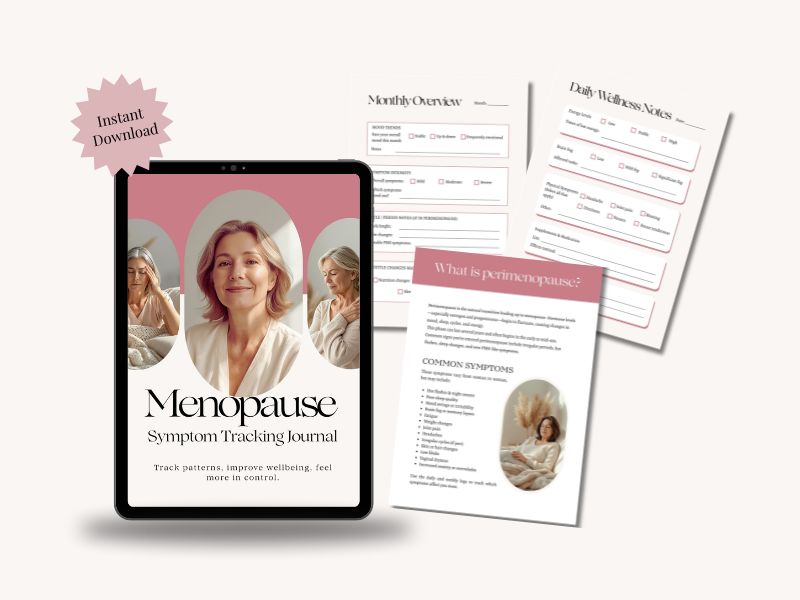
Menopause Symptom Tracking Journal
Start Tracking Your Symptoms Today
Instant download. Simple, supportive, and easy to use.
2. Brain Fog After Hysterectomy
Brain fog after a hysterectomy is one of the most frustrating surgical menopause symptoms. It can feel like:
- blurry thoughts
- trouble finding words
- difficulty focusing
- forgetfulness
- slower recall
Why it happens:
Estrogen is tied to memory, concentration, and cognitive speed. The sudden drop impacts the brain’s processing.
Coping Strategies:
- Use simple daily planning
- Reduce multitasking
- Write things down immediately
- Support your nervous system with calming routines
- Use memory prompts or brain exercises
Many women find relief by using a Brain Fog Rescue Planner or simple word-recall worksheets.
3. Sleep Problems & Nighttime Restlessness
Surgical menopause sleep problems and solutions.
This may show up as:
- difficulty falling asleep
- waking multiple times
- early-morning waking
- restlessness
- anxious nighttime thoughts
Why it happens:
Hormone fluctuations affect melatonin, body temperature, and the nervous system.
Coping Strategies:
- Keep a consistent evening routine
- Lower lights 1–2 hours before bed
- Use calming activities: reading, stretching, journaling
- Keep your bedroom cool
- Avoid doom-scrolling
Many women experience disrupted sleep during recovery. You can read more about common causes and gentle strategies in our guide to sleep problems after hysterectomy.
A sleep routine workbook can help you build habits that support your body through these changes.
4. Mood Swings, Anxiety & Emotional Sensitivity
Coping strategies for surgical menopause symptoms.
Surgical menopause can intensify emotional experiences. Many women feel:
- irritability
- sudden sadness
- anxiety spikes
- overwhelm
- a sense of “not feeling like myself”
Why it happens:
Hormones influence emotional regulation. Removing them rapidly disrupts your stability.
Coping Strategies:
- Keep a daily mood log
- Practice grounding exercises
- Gentle routines for predictability
- Reduce overstimulation
- Journaling to release emotional pressure
Consistency matters more than intensity.
If your mood feels different or more intense than before, our article on emotions after hysterectomy explains exactly why these emotional changes happen and how to cope.
5. Skin, Hair & Body Changes
These changes can show up shockingly fast after surgical menopause:
- thinning hair
- drier skin
- temperature sensitivity
- itchy skin
- brittle nails
Why it happens:
Estrogen supports skin elasticity, moisture retention, and cell renewal.
Coping Strategies:
- Hydrating skincare routines
- Omega-rich foods
- Avoid harsh products
- Track your triggers (weather, stress, sleep)
Many women report that these changes affect their confidence, which is a valid emotional response.
6. Weight Gain & Belly Fat Changes
Your metabolism slows as estrogen drops. The body also redistributes fat to the midsection for hormonal storage.
Coping Strategies:
- Gentle movement (walking, stretching)
- Regular meal rhythms
- Stress reduction (stress hormones affect weight)
- Avoid extreme diets — they backfire in menopause
Focus on consistency, not restriction.
7. Intimacy Changes (Libido, Dryness, Discomfort)
This topic is rarely talked about, but incredibly common:
- low libido
- vaginal dryness
- slower arousal
- discomfort or pain
- emotional disconnect
Coping Strategies:
- Open communication with your partner
- Longer warm-up / slower intimacy
- Prioritizing emotional connection
- Journaling emotional experiences
- Using a comfort-focused mindset
You’re not alone — intimacy shifts are a major part of surgical menopause symptoms.
8. Emotional Identity Shifts
Sudden menopause symptoms after hysterectomy
Many women describe this as:
“I feel older overnight.”
“I don’t recognize myself.”
“My body feels foreign.”
This is a completely normal reaction to sudden hormonal and physical change.
Supportive practices:
- Self-compassion rituals
- Journaling your emotional landscape
- Slowing down routines
- Building a new self-identity at your own pace
This is a transition — not a loss.
Surgical Menopause Symptom Checklist (Quick Overview)
You may experience some or many of these:
- Hot flashes
- Night sweats
- Mood changes
- Brain fog
- Sleep problems
- Anxiety or overwhelm
- Weight changes
- Skin/hair dryness
- Low libido
- Temperature swings
- Fatigue
- Irritability
- Joint discomfort
- Digestive changes
- Emotional sensitivity
Tracking them helps you understand patterns, triggers, and improvement.
Coping Strategies That Truly Help
Here are some suggestions on how to manage surgical menopause symptoms naturally.
These non-medical, daily-life changes often make the most noticeable difference:
Daily Strategies
- Hydration rhythm
- Light, consistent movement
- Gentle morning routine
- Cooling tools for hot flashes
- Emotional check-ins
Evening Strategies
- Reduce blue light
- Calming rituals
- Relaxed stretching
- Warm bath or shower
- Journaling to release the mental load
Emotional Strategies
- Honest communication
- Self-compassion
- Small boundaries
- Reframing expectations
- Asking for support
Small steps > big overhauls.
You can also browse more helpful resources in our Surgical Menopause category, where we discuss common symptoms, emotional changes, and everyday strategies for navigating life after hysterectomy.
When to Seek Medical Advice
Even though this guide focuses on lived experience and lifestyle support, you should seek medical guidance if you experience:
- extreme mood swings
- prolonged insomnia
- severe pain
- sudden unusual symptoms
- symptoms affecting daily functioning
You deserve proper care and support.
Final Thoughts: You Are Not Alone in This
Surgical menopause symptoms can feel overwhelming, isolating, and unpredictable — but they’re also navigable with the right support, tools, and understanding.
You’re not broken.
Your body is adjusting.
And you’re allowed to move at the pace your new chapter requires.
A hysterectomy can bring relief from conditions like fibroids, endometriosis, and even certain cancers when other treatments no longer help. But while the surgery solves one set of problems, it can also trigger surgical menopause symptoms — a major and often unexpected part of the recovery journey that deserves just as much attention as the benefits.
Menopause Symptom Tracking Journal
Start Tracking Your Symptoms Today
Instant download. Simple, supportive, and easy to use.